
Uncategorized
TP-Link Radios and Antennas for Secure and High-Performance Wireless Connectivity
Jun
Introduction
TP-Link Radios and Antennas give businesses fast, stable, and secure wireless connectivity. Consequently, many network administrators across Kenya trust them for critical infrastructure. Moreover, these devices work well for both short-range and long-distance deployments. Whether you run a campus network or a corporate WAN, these solutions deliver the performance you need every time.
Why Wireless Connectivity in TP-Link Radios and Antennas Matters Today
Wireless networks now power modern business communication every day. Furthermore, demand for fast and uninterrupted connectivity keeps growing across all sectors. Organisations need solutions that carry data reliably over long distances without signal loss. Therefore, investing in quality outdoor wireless equipment is a necessity for every serious network today.
What Are Outdoor Radios and Antennas?
Outdoor radios and antennas transmit and receive wireless signals over long distances. Additionally, they connect remote buildings and sites where laying fibre cable is too costly. TP-Link produces a wide range of outdoor CPEs, point-to-point bridges, and sector antennas. As a result, engineers get flexible options that match every deployment scenario and budget available.
Key Features That Make TP-Link Radios and Antennas Stand Out
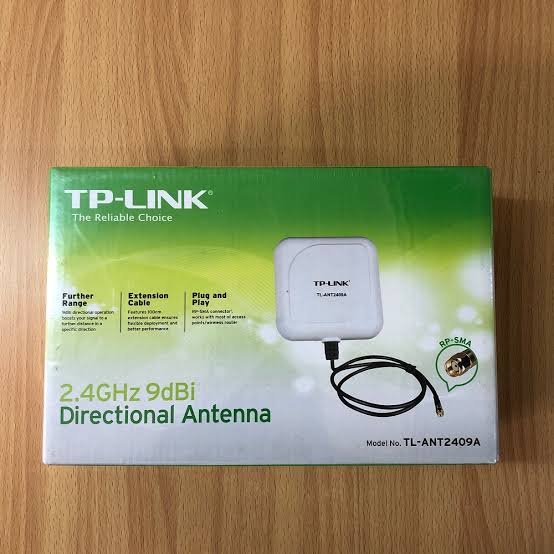
TP-Link outdoor wireless devices pack enterprise-grade features into rugged, weatherproof casings. For instance, the CPE series supports dual-band frequencies, MIMO technology, and beamforming antennas. These features boost signal strength and reduce interference significantly. Furthermore, devices like the CPE510 and CPE710 deliver high gain and long-range performance in tough outdoor conditions.
Point-to-Point Links for Long-Distance Connections
Point-to-point wireless links connect two remote sites over a single reliable network connection. Therefore, businesses use this setup to link branch offices and warehouses affordably. PharOS-powered CPE devices simplify alignment and configuration through a clean web interface. Moreover, built-in alignment tools help technicians lock onto the strongest signal quickly and accurately.
Point-to-Multipoint for ISPs and Campuses
Point-to-multipoint setups let one base station serve many client devices at once. Additionally, this setup suits ISPs, universities, and industrial sites that need wide-area coverage efficiently. Sector antennas with wide beam angles spread the signal across large areas without extra hardware. Furthermore, TP-Link sector units handle high client density without dropping throughput or raising latency.
Strong Security Features Built Into Every Device
Security matters in every wireless deployment, especially for enterprise and institutional networks. Consequently, these devices support WPA2 and WPA3 encryption to protect data from interception. Moreover, they include MAC address filtering, SSID isolation, and rogue AP detection. Therefore, administrators enforce strict access policies and detect unauthorised devices quickly and easily.
Frequency Bands and Spectrum Control in TP-Link Radios and Antennas
TP-Link outdoor radios operate on both the 2.4 GHz and 5 GHz frequency bands. Furthermore, the 5 GHz band delivers faster speeds and less interference in busy wireless environments. On the other hand, 2.4 GHz offers better range and penetration through walls and vegetation. Additionally, some models run both bands at the same time to handle mixed traffic types efficiently.
Power over Ethernet Simplifies Installation
Power over Ethernet removes the need for separate power cables at remote antenna locations. Therefore, one Ethernet cable carries both data and power to outdoor radios on poles or rooftops. TP-Link CPE devices include passive PoE adapters in the box for quick and easy setup. Consequently, technicians install and power devices even in locations that have no nearby electrical outlets.
How TP-Link Radios and Antennas Are Built to Survive Harsh Outdoor Conditions
Outdoor wireless equipment must survive rain, humidity, dust, and extreme temperatures every day. Furthermore, TP-Link outdoor units carry IP65 weather resistance ratings that protect all internal components. The rugged enclosures use UV-resistant materials that stop cracking and fading under direct sunlight. Additionally, corrosion-resistant hardware keeps devices secure on mounting poles for many years reliably.
Centralised Management With the Omada Platform
The Omada platform lets administrators manage all TP-Link network devices from one dashboard. Additionally, teams configure, monitor, and troubleshoot remote wireless links without visiting each site. The platform supports cloud-based management, which suits distributed networks across multiple locations perfectly. Furthermore, Omada sends real-time alerts for signal drops, device faults, and security events instantly.
Industries That Benefit From Wireless Connectivity in Kenya
Wireless solutions serve education, hospitality, manufacturing, and security industries every day. For instance, schools deploy outdoor CPEs to extend campus networks across multiple buildings cost-effectively. Similarly, hotels use sector antennas to deliver fast Wi-Fi across large outdoor grounds reliably. Additionally, security firms use wireless links to stream CCTV footage from remote cameras to central servers. Therefore, TP-Link Radios and Antennas remain a versatile and affordable choice across all these sectors.
Conclusion
Reliable wireless connectivity drives productivity, security, and growth for every organisation today. Moreover, choosing the right outdoor radio and antenna solution makes the difference between a stable and unstable network. TP-Link Radios and Antennas deliver the performance, durability, and security that modern networks demand daily. Therefore, whether you need a simple point-to-point link or a wide multipoint deployment, these devices perform.
