
Networking
What Is an Outdoor Cabinet?
Jul
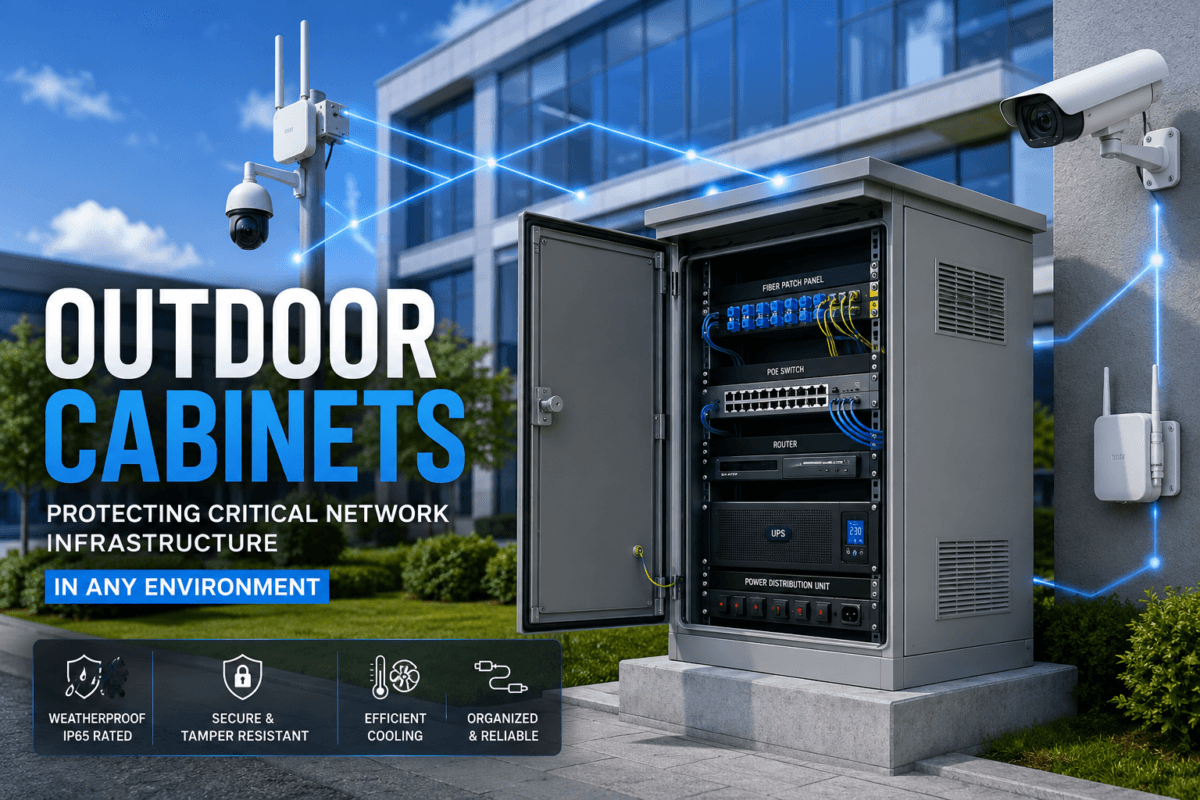
An outdoor cabinet is a weather-resistant enclosure designed to safely house networking, telecommunications, electrical, and surveillance equipment installed outside buildings.
Unlike standard indoor racks, outdoor cabinets are built using corrosion-resistant materials and are engineered to withstand extreme weather conditions.
They are commonly used for:
- CCTV installations
- Wireless access points
- Fiber optic networks
- Telecommunications equipment
- PoE switches
- Industrial automation
- Smart city infrastructure
- Solar energy systems
- Security systems
Key Features of a Quality Outdoor Cabinet
1. High IP Rating
The Ingress Protection (IP) rating determines how well the cabinet protects equipment against dust and water.
Recommended ratings include:
- IP55 – Protection from dust and water jets
- IP65 – Dust-tight and water resistant
- IP66 – Superior protection against heavy rain and harsh outdoor conditions
For most outdoor networking projects in Kenya, IP65 or IP66 cabinets are highly recommended.
2. Heavy-Duty Construction
Look for cabinets manufactured from:
- Powder-coated steel
- Galvanized steel
- Stainless steel
- Aluminum
These materials resist corrosion and provide years of reliable service.
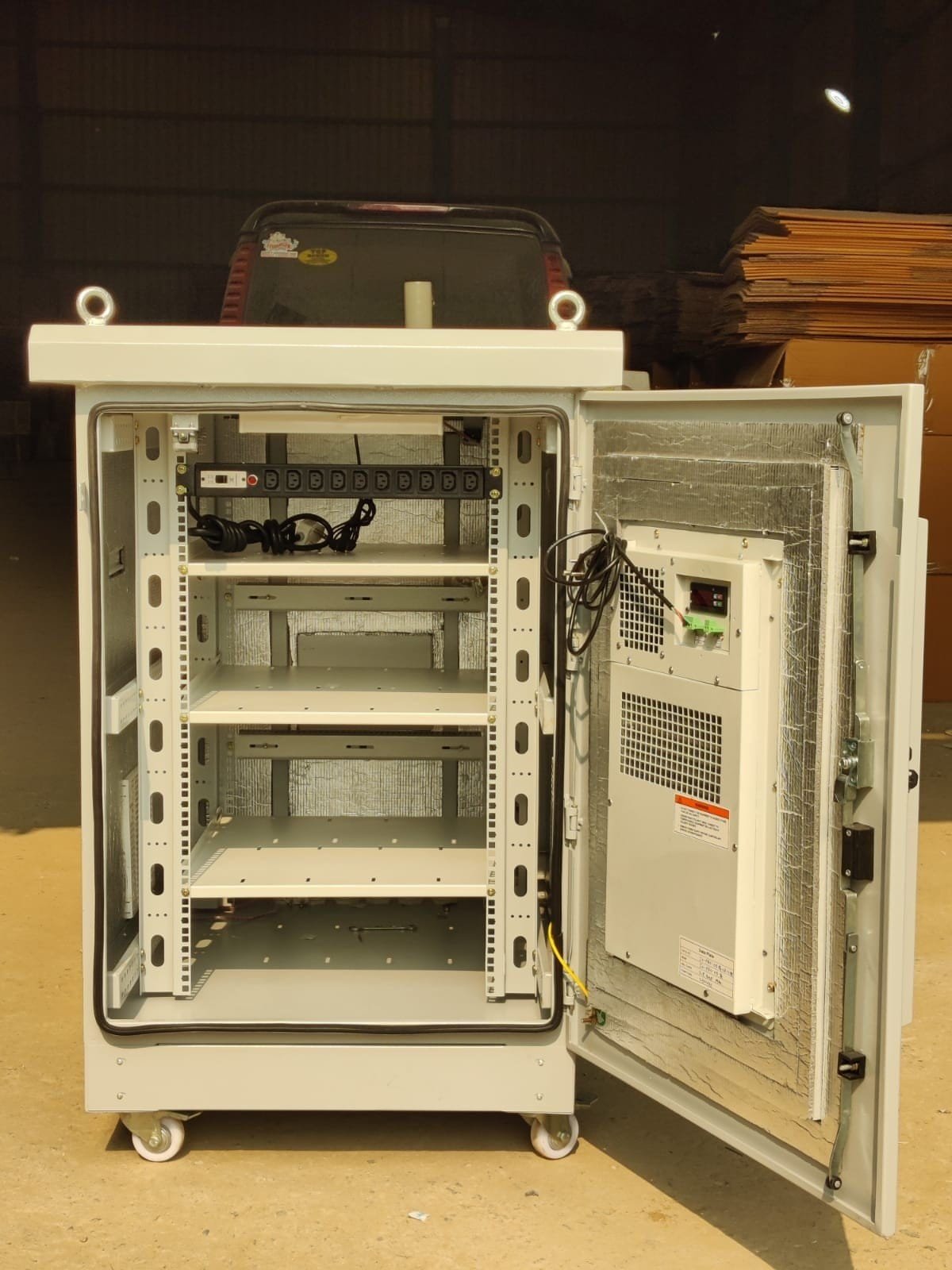
3. Efficient Cooling
Heat is one of the biggest threats to electronic equipment.
Modern outdoor cabinets may include:
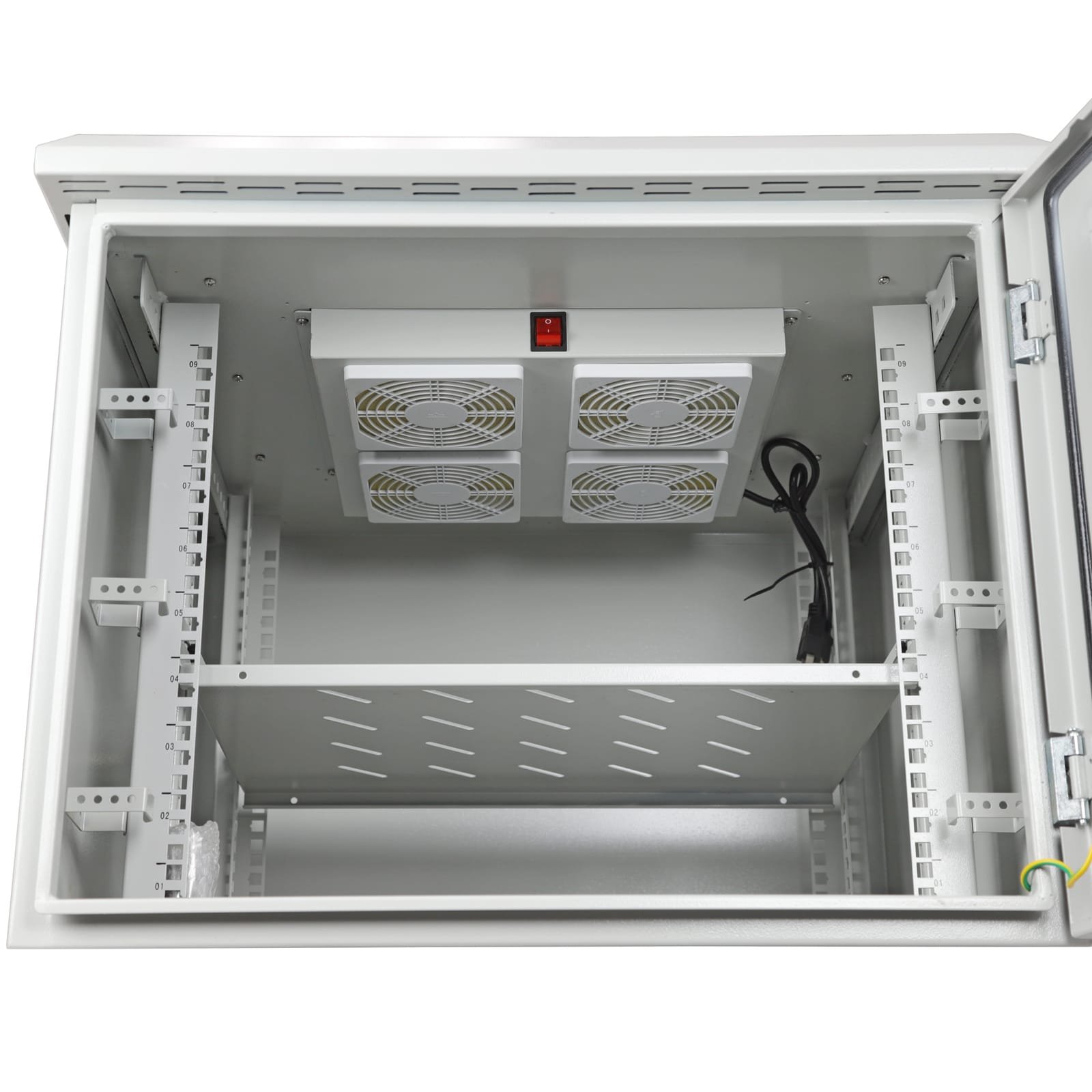
- Cooling fans
- Ventilation systems
- Thermostats
- Heat exchangers
- Air conditioning (for larger installations)
Proper cooling extends equipment life and prevents overheating.
4. Secure Locking Mechanisms
Outdoor cabinets should feature:
- Reinforced doors
- Industrial-grade locks
- Tamper-resistant hinges
- Strong mounting brackets
These security features help protect valuable networking equipment.
5. Easy Cable Management
A well-designed cabinet includes:
- Cable glands
- Mounting rails
- Cable organizers
- Grounding points
- Patch panel mounting options
Organized cabling simplifies maintenance and future upgrades.
Common Applications of Outdoor Cabinets
Outdoor cabinets are widely used across various industries.
CCTV Surveillance
Safely house:
- PoE switches
- Power supplies
- Surge protectors
- Fiber converters
Wireless Networking
Ideal for:
- Outdoor Wi-Fi access points
- Point-to-point radios
- Point-to-multipoint wireless links
Telecommunications
Suitable for:
- Fiber optic termination
- Communication equipment
- Network switches
- Routers
Industrial Automation
Protect:
- PLCs
- Controllers
- Monitoring equipment
Solar Energy Systems
Store and protect:
- Charge controllers
- Batteries
- Inverters
- Monitoring devices
How to Choose the Best Outdoor Cabinet in Kenya
Before buying, consider the following:
Cabinet Size
Choose a cabinet that allows enough room for:
- Current equipment
- Cable management
- Cooling
- Future expansion
IP Rating
Select an IP rating based on the environment.
For outdoor use in Kenya:
- IP65 is ideal for most applications.
- IP66 is recommended for harsher environments.
Cooling Requirements
If your equipment generates significant heat, choose a cabinet with active cooling.
Installation Method
Outdoor cabinets are available as:
- Wall-mounted
- Pole-mounted
- Floor-standing
Select the option that best fits your site.
Security Features
Ensure the cabinet includes:
- Heavy-duty locks
- Anti-theft design
- Strong hinges
Best Practices for Outdoor Cabinet Installation
For maximum performance:
- Install on a stable structure.
- Seal all cable entry points.
- Ensure proper grounding.
- Use surge protection.
- Keep ventilation openings clean.
- Schedule regular inspections.
These practices improve reliability and reduce maintenance costs.
Benefits of Installing Outdoor Cabinets
Businesses that invest in quality outdoor cabinets enjoy:
- Longer equipment lifespan
- Better network reliability
- Reduced maintenance costs
- Improved security
- Easier troubleshooting
- Professional installations
- Lower downtime
Better return on investment
