
Uncategorized
Industrial Media Converters for Harsh Environments and Reliable Connectivity
Jul
Introduction
Media Converters for Harsh Environments maintain industry networks every day. They keep factories, mines, and outdoor sites connected, even in places with dust, heat, and constant vibration. Standard networking equipment often fails under these harsh conditions. As a result, businesses need rugged equipment built to handle demanding environments. This post explains why industrial-grade media converters are essential for reliable network performance across East Africa.
What Constitutes a “Harsh” Environment?
Extreme temperatures, wetness, and continuous vibration are examples of harsh settings. Sensitive gadgets are also at risk from electrical interference and dust. Outdoor communication towers, ports, and manufacturing facilities are also vulnerable. As a result, many commercial-grade gadgets misbehave in these environments. Fixing avoidable network failures costs businesses money and time. Hence, selecting the appropriate hardware is so crucial in this case.
Built for Extreme Temperatures
Between -40°C and 75°C, rugged converters function dependably. This range works well in both the hotter and colder highlands of Kenya. Outside of smaller temperature ranges, standard devices usually malfunction. Meanwhile, industrial versions manage heat stress by using strengthened components. During the hottest part of the day, this durability keeps you from overheating. As a result, even in challenging outdoor installations, uptime increases.
Defense Against Moisture and Dust
IP30 or greater protection ratings are seen on many tough converters. These ratings show low exposure to moisture and resistance to dust. Every day, large amounts of airborne particles are produced by mining and agricultural areas. Consequently, contaminants cannot enter internal circuits thanks to sealed housings. When compared to normal units, this protection significantly increases the lifespan of the equipment. Over time, maintenance expenses decrease as a result.
Shock Resistance and Vibration
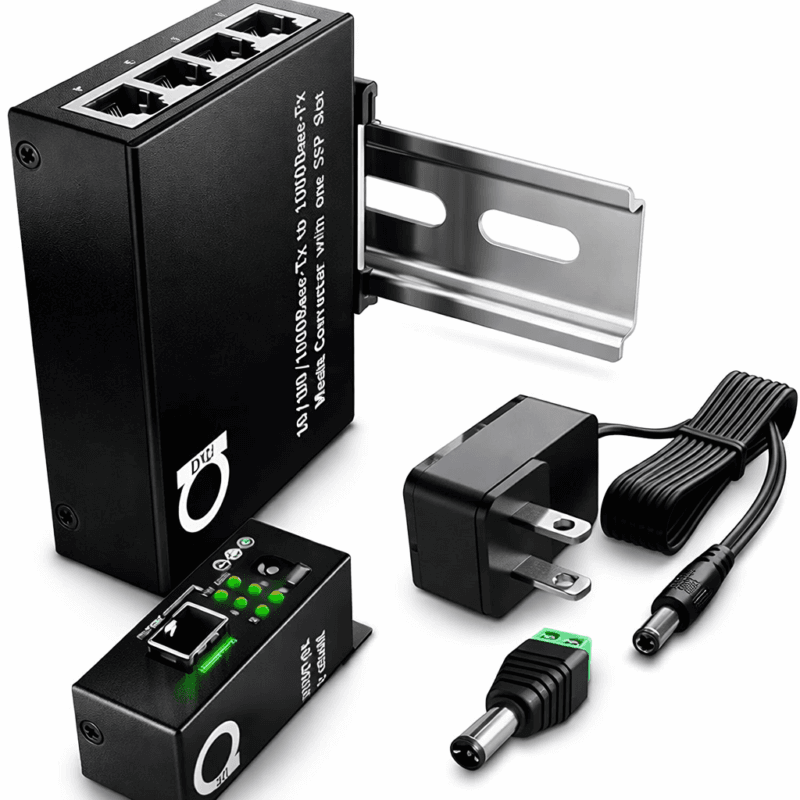
Industrial media converters withstand vibrations from heavy machinery and moving vehicles. DIN-rail mounting keeps the devices secure during constant movement. In addition, their strong casings protect the internal parts from physical shocks. Equipment often shakes and moves at ports and construction sites. As a result, these converters prevent hardware damage and network connection failures. Reliable mounting also makes installation easier in industrial racks.
Power Surge and Redundancy Features
For redundancy, rugged converters frequently have two power inputs. In the event that one power source fails, this feature guarantees uninterrupted operation. Surge prevention also protects against generating voltage spikes. During outages, backup generators are often used at Kenyan locations. As a result, expensive equipment damage is avoided by this safeguard. Critical networks are continuously online thanks to redundant power design.
Media Converters for Harsh Environments Uses
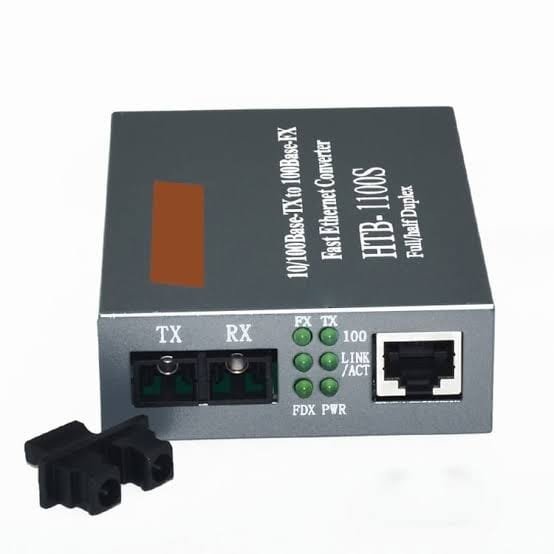
These converters connect sensors on production lines in manufacturing plants. Media Converters for Harsh Environments support communication between remote sites in mining operations. They also connect surveillance cameras across large areas in ports and logistics centers. In addition, agricultural businesses use them for reliable outdoor networking. As a result, many industries in Kenya rely on rugged connectivity solutions. Every industry needs consistent network performance, even in harsh conditions.
Supporting Surveillance and Security Systems
Security cameras are often far from central network switches. Rugged media converters extend camera connections across large industrial sites through fiber. They also withstand outdoor conditions near perimeter fences. As a result, security systems deliver clear and reliable video without interruption. This reliability is important for organizations that depend on continuous monitoring. Overall, strong network connections improve security performance.
Media Converters for Harsh Environments For Connectivity to Current Networks
Rugged converters work well with standard Ethernet networks. They let businesses switch to fiber without replacing the whole network. In addition, they connect modern fiber networks to existing copper cables. As a result, growing businesses spend less on network upgrades. Meanwhile, better protection against interference and support for longer distances improve network performance. Overall, businesses can upgrade their networks more easily and at a lower cost.
Selecting the Proper Industrial Converter
Businesses should verify temperature and protection ratings when choosing industrial media converters. They should also check mounting options and power redundancy. Site conditions determine which features matter most for reliability. As a result, matching the specifications to the environment helps prevent future problems. Consulting experienced vendors also helps businesses avoid costly mismatches. Choosing the right converter ensures long-term network performance and stability.
Long-Term Cost Advantages
Rugged converters cost more than standard alternatives at first. Nevertheless, they reduce maintenance costs and the need for frequent replacements over time. They also minimize operational downtime by preventing network failures. As a result, organizations save money through greater durability and reliability. These long-term benefits outweigh the higher initial cost. Investing in durable hardware delivers consistent returns.
Why Rugged Solutions Are Important for East African Businesses
Kenya’s climate and infrastructure challenges increase the need for durable networking equipment. Dusty environments and power fluctuations constantly test standard devices. Therefore, companies in the manufacturing, mining, and security sectors depend on reliable equipment. Rugged converters address these local challenges effectively. As a result, more businesses across East Africa now prioritize industrial-grade networking equipment. This shift reflects the growing need for resilient infrastructure.
Concluding Remarks
Industrial media converters solve real connectivity issues in demanding environments. They protect networks from power problems, heat, dust, and vibration. In the meantime, they bring the benefits of fiber into practical, everyday business applications. As a result, Kenyan industries enjoy more reliable and robust networking infrastructure. Investing in durable equipment supports long-term operational stability. In the end, dependable connectivity improves overall business performance.
