
Uncategorized
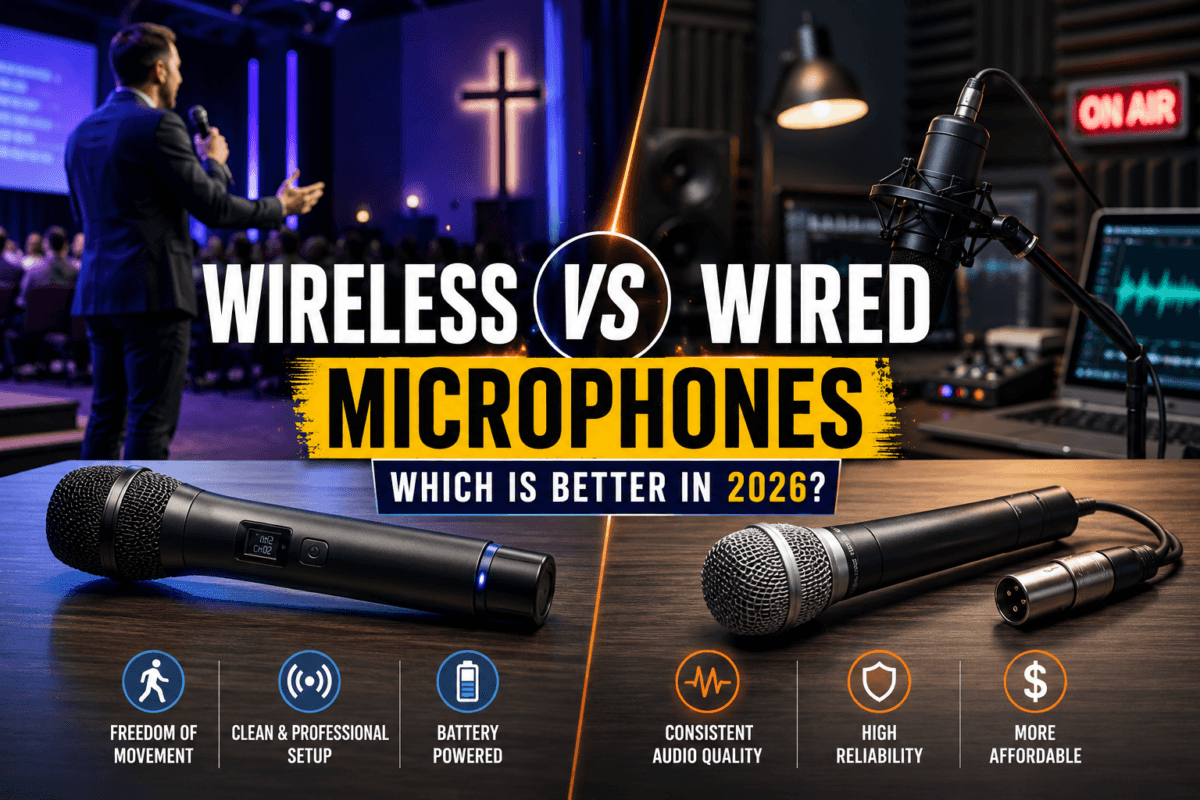
Wireless Microphones vs Wired Microphones: Which Is Better in 2026?
Jun
When choosing a microphone for a church, conference room, school, recording studio, or live event, one of the biggest decisions is whether to use a wireless microphone or a wired microphone.
Both options have their advantages and limitations. While wireless microphones offer freedom of movement and a professional appearance, wired microphones are known for reliability and consistent audio quality.
In this guide, we’ll compare wireless microphones and wired microphones to help you determine which solution is best for your needs.
What Is a Wireless Microphone?
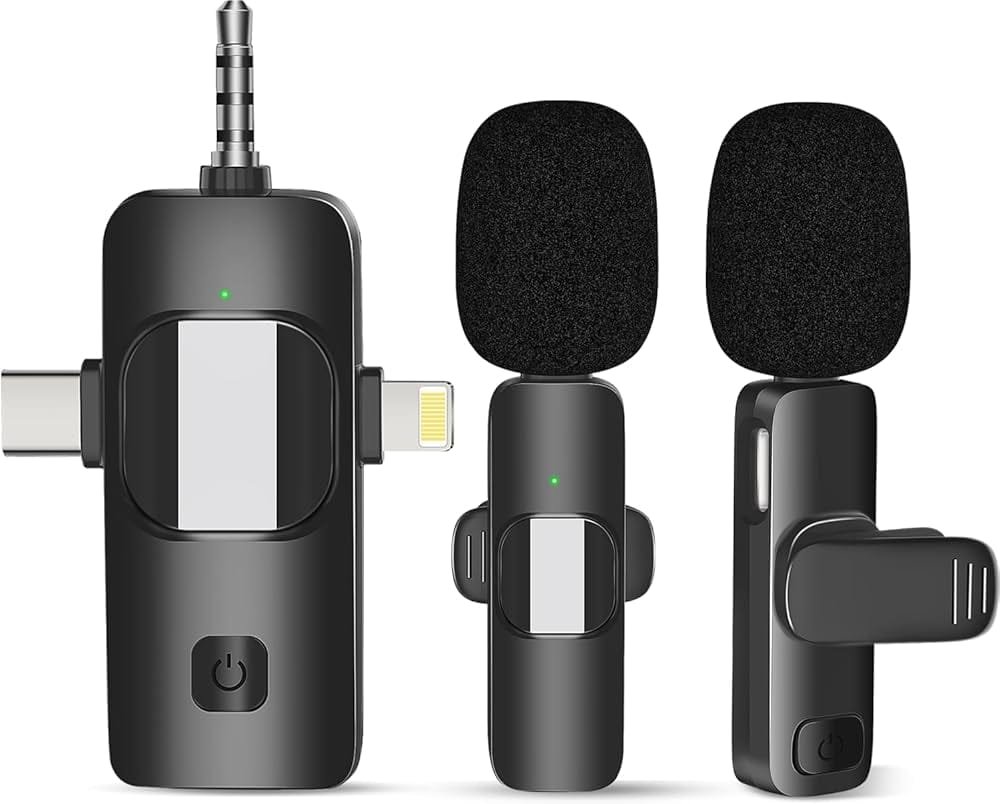
A wireless microphone transmits audio signals to a receiver using radio frequencies instead of a physical cable. This allows speakers, performers, and presenters to move freely without being restricted by wires.
Common types of wireless microphones include:
- Handheld wireless microphones
- Wireless lapel (lavalier) microphones
- Wireless headset microphones
- Wireless instrument microphones
Wireless microphones are widely used in churches, concerts, conferences, schools, and corporate events.
What Is a Wired Microphone?
A wired microphone connects directly to an amplifier, mixer, recorder, or public address system using an audio cable.
These microphones are commonly used in:
- Recording studios
- Podcasting setups
- Permanent installations
- Conference rooms
- Public address systems
Because they use a direct connection, wired microphones are generally considered highly reliable and easy to operate.

Wireless Microphones vs Wired Microphones: Key Differences
1. Mobility and Flexibility
Wireless microphones are the clear winner when it comes to movement.
Speakers can walk around a stage, teachers can move freely in classrooms, and worship leaders can interact with congregations without worrying about cables.
Wired microphones, on the other hand, limit movement based on cable length.
Winner: Wireless Microphones
2. Audio Quality
Modern wireless microphone systems offer impressive audio quality. However, wired microphones still provide the most consistent signal because there is no wireless transmission involved.
For professional recording environments, wired microphones remain the preferred choice.
Winner: Wired Microphones
3. Reliability
A wired microphone provides a direct connection that is less susceptible to interference.
Wireless microphones may occasionally experience:
- Signal dropouts
- Frequency interference
- Battery-related issues
While high-quality wireless systems minimize these problems, wired microphones remain more dependable in critical applications.
Winner: Wired Microphones
4. Installation and Appearance
Wireless microphones create a cleaner and more professional-looking setup.
There are no visible cables running across stages, conference rooms, or worship areas.
This improves both safety and aesthetics.
Winner: Wireless Microphones
5. Cost
Wired microphones are generally more affordable because they require fewer components.
A wireless system typically includes:
- Microphone transmitter
- Receiver
- Batteries or rechargeable packs
- Frequency management features
As a result, wireless systems often cost more than equivalent wired options.
Winner: Wired Microphones
6. Maintenance
Wireless microphones require regular battery charging or replacement and occasional frequency adjustments.
Wired microphones require minimal maintenance beyond cable inspection.
Winner: Wired Microphones
Comparison Table
| Feature | Wireless Microphones | Wired Microphones |
| Mobility | Excellent | Limited |
| Audio Quality | Very Good | Excellent |
| Reliability | Good | Excellent |
| Installation Appearance | Clean and Professional | More Cable Clutter |
| Cost | Higher | Lower |
| Maintenance | Moderate | Low |
| Best for Live Events | Excellent | Good |
| Best for Recording Studios | Good | Excellent |
Best Use Cases for Wireless Microphones
Wireless microphones are ideal for:
- Churches
- Worship leaders
- Event MCs
- Public speakers
- Conference presentations
- Fitness instructors
- Schools and training centers
- Stage performances
The ability to move freely significantly improves audience engagement and presentation effectiveness.
Best Use Cases for Wired Microphones
Wired microphones are ideal for:
- Recording studios
- Podcast production
- Permanent PA installations
- Boardrooms
- Broadcast environments
- Budget-conscious projects
These environments prioritize stable audio performance over mobility.
Which Should You Choose?
Choose a wireless microphone if:
- You need freedom of movement
- You conduct live presentations
- You want a professional-looking setup
- Your venue is large
Choose a wired microphone if:
- Audio reliability is your top priority
- You work in a recording environment
- You have a limited budget
- Mobility is not important
Final Verdict
There is no one-size-fits-all answer in the wireless microphones vs wired microphones debate.
Wireless microphones offer unmatched convenience, mobility, and a cleaner appearance, making them perfect for churches, events, and public speaking. Wired microphones continue to deliver superior reliability and cost-effectiveness, especially for studios and fixed installations.
For most modern churches, schools, and corporate environments, wireless microphones provide the flexibility needed to engage audiences effectively. However, if reliability and budget are your primary concerns, a wired microphone remains an excellent investment.
