
Telephone Systems
Best IP PBX Systems for Small Businesses (2026 Guide)
Mar
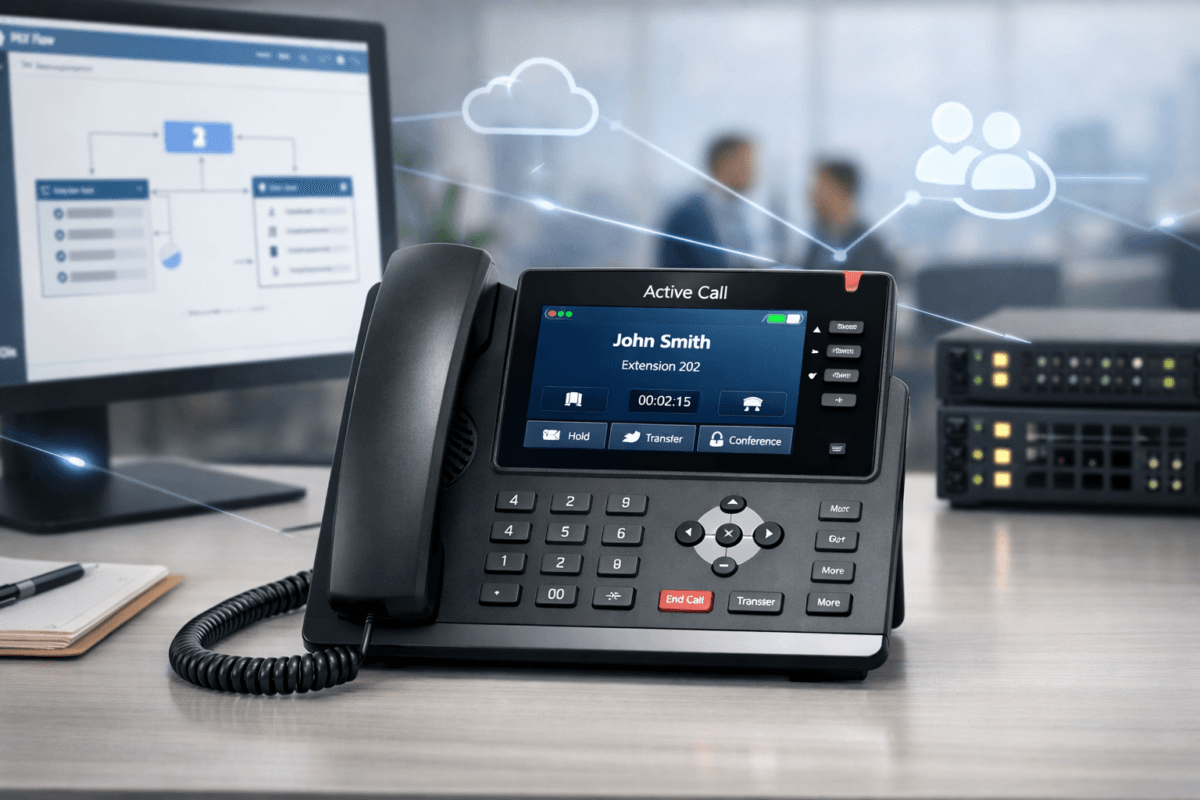
Small businesses today rely heavily on efficient communication systems. Traditional phone systems are gradually being replaced by IP PBX systems, which provide advanced calling features, flexibility, and lower operational costs.
An IP PBX (Internet Protocol Private Branch Exchange) allows businesses to manage internal and external calls over the internet instead of traditional telephone lines, making communication more scalable and cost-effective.
In this guide, we explore the best IP PBX systems for small businesses, their key features, and how to choose the right one.
What is an IP PBX System?
An IP PBX is a phone system that routes call through the internet using VoIP technology instead of traditional PSTN phone lines. It connects IP phones, softphones, and VoIP gateways to provide features such as:
- Auto attendants (IVR)
- Call routing and call queues
- Voicemail-to-email
- Call recording
- Remote extensions
- Video conferencing
Modern PBX systems also integrate with CRM platforms and collaboration tools, helping businesses streamline communication and customer service.
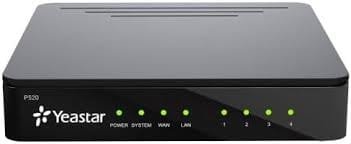
1. Yeastar P-Series PBX
The Yeastar P-Series is one of the most popular IP PBX solutions for small and medium businesses.
Key Features
- Supports on-premise and cloud deployment
- Integrated voice, video, and team messaging
- Mobile and desktop softphone apps
- CRM integrations and call center features
- Easy management via web interface
The system supports a wide range of IP phones and SIP trunks, making it flexible for many office environments.
Best For
Small businesses and growing companies that want a scalable and affordable PBX.
2. Grandstream UCM6300 Series
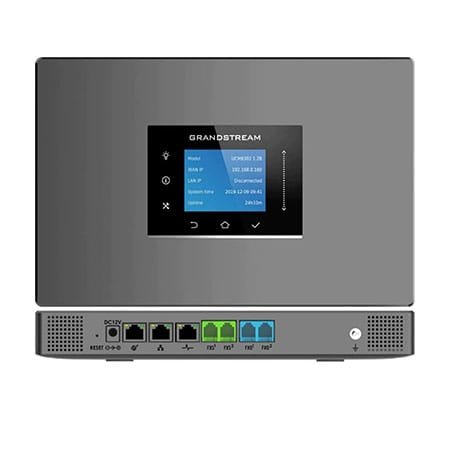
The Grandstream UCM6300 Series provides powerful unified communications for businesses that need advanced collaboration tools.
Key Features
- Built-in video conferencing and collaboration tools
- Remote management through cloud services
- Auto-provisioning for IP phones
- High scalability for growing organizations
Some models support hundreds of users and simultaneous calls, making them suitable for medium-size businesses as well.
Best For
Businesses that want an all-in-one communication platform.
3. 3CX PBX
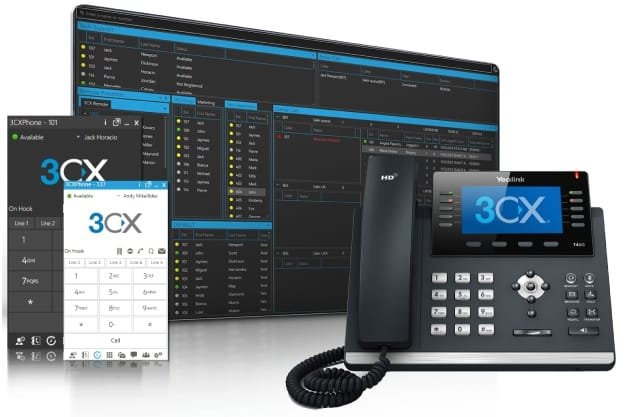
3CX is a widely used software-based PBX system that can be deployed on-premise or in the cloud.
Key Features
- Web-based management interface
- Video conferencing and live chat
- CRM integrations
- Mobile and desktop softphones
Because it is software-based, businesses can run it on their own servers or cloud infrastructure.
Best For
Companies that want a flexible PBX solution without dedicated hardware.
4. Asterisk
Asterisk is an open-source PBX platform used by businesses and telecom providers worldwide.
Key Features
- Fully customizable PBX platform
- Supports VoIP, SIP, and PSTN connections
- Advanced call handling features
- Free and open-source software
It powers a large number of communication systems globally and allows organizations to build highly customized phone systems.
Best For
Businesses with technical expertise that want a custom-built PBX system.
Key Features to Look for in an IP PBX
When choosing a PBX system, consider the following:
1. Scalability
Make sure the system supports future growth in users and extensions.
2. Call Management Features
Look for features like:
- IVR menus
- Call queues
- Call recording
- Voicemail-to-email
3. Integration
The PBX should integrate with:
- CRM software
- Helpdesk systems
- collaboration tools.
4. Deployment Type
Choose between:
- Cloud PBX – hosted online
- On-premise PBX – installed locally.
Final Thoughts
An IP PBX system is essential for modern businesses that want professional communication without the cost of traditional phone systems.
Solutions like Yeastar, Grandstream, and 3CX offer powerful features suitable for small businesses, while platforms like Asterisk provide maximum customization. Choosing the right PBX depends on your business size, budget, and required communication features.
