
Uncategorized
IP Cameras vs Analog HD Cameras: Which Is Right for Your Security Project?
Jan
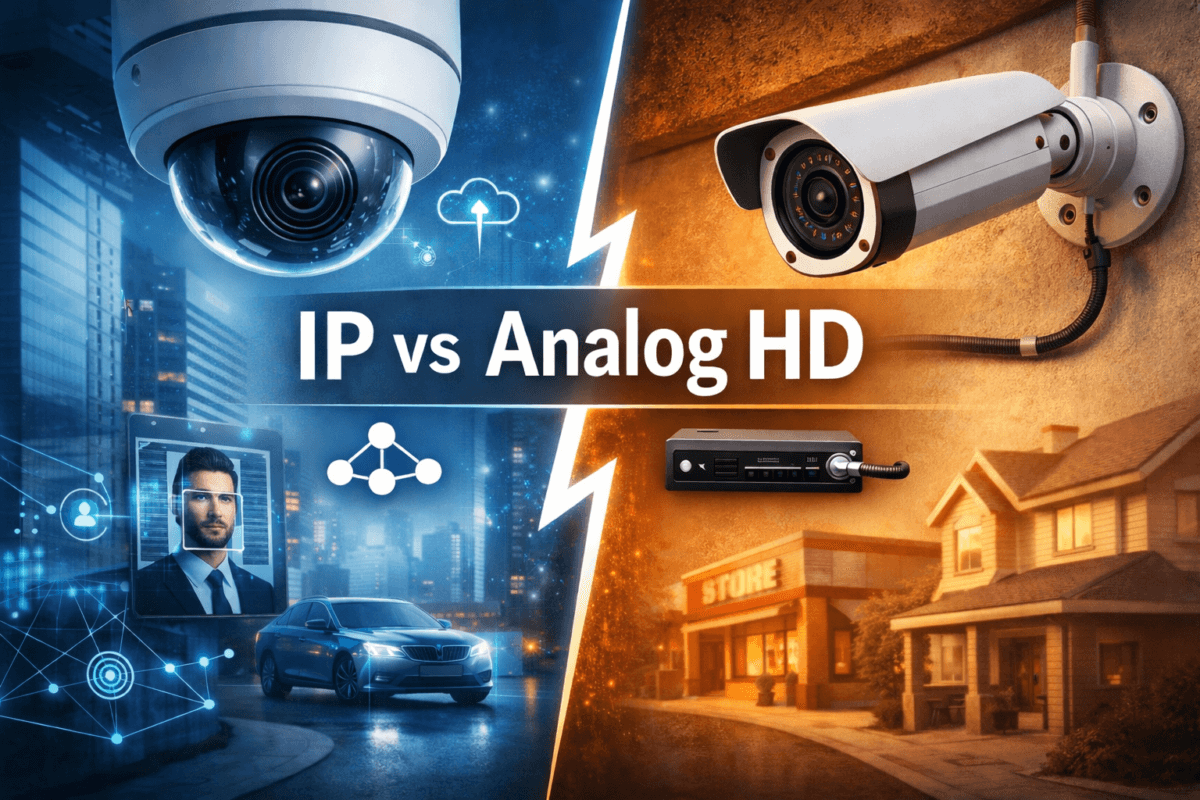
Having read about the advanced AI powered cameras in our previous post, you may still wonder which CCTV cameras are good for your project. Choosing the right CCTV technology is one of the most critical decisions in any security deployment. The debate between IP cameras and Analog HD cameras (HD-TVI, HD-CVI, AHD) continues to shape surveillance projects across commercial, residential, and institutional environments.
Each technology has distinct strengths, cost implications, and deployment scenarios. This guide will to help you determine which solution best fits your security project.
Understanding the Two Technologies
What Are IP Cameras?
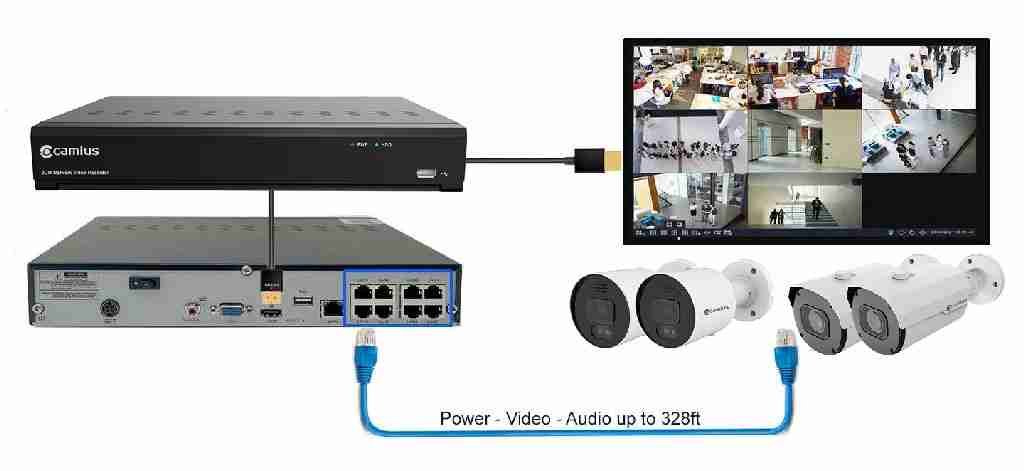
IP (Internet Protocol) cameras are network-based surveillance cameras that transmit video data over Ethernet or wireless networks. Each camera has its own IP address and communicates directly with an NVR (Network Video Recorder) or VMS software.
What Are Analog HD Cameras?
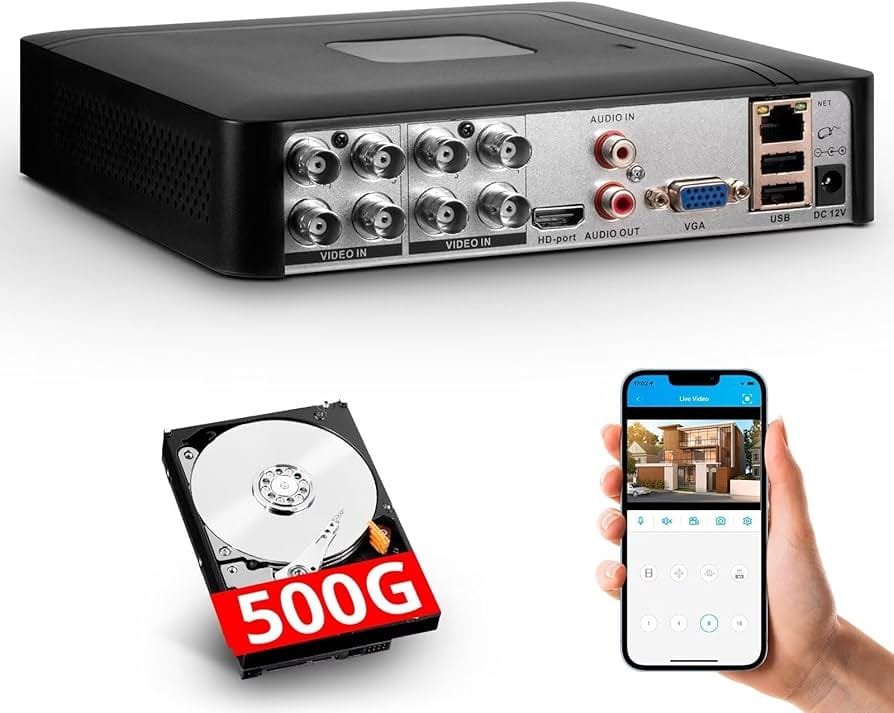
Analog HD cameras are an evolution of traditional analog systems. They transmit high-definition video over coaxial cable to an XVR/DVR, supporting formats such as HD-TVI, HD-CVI, and AHD.
Key Differences at a Glance
| Feature | IP Cameras | Analog HD Cameras |
| Video Resolution | 2MP to 12MP+ | Typically up to 5MP |
| Cabling | Ethernet (Cat5e/Cat6) | Coaxial (RG59/RG6) |
| Power | PoE or external | Separate power cable |
| AI & Smart Analytics | Advanced (ANPR, face detection, people counting) | Limited or recorder-based |
| Scalability | Highly scalable | Limited by DVR channels |
| Installation Cost | Higher initial cost | Lower upfront cost |
| Image Quality | Superior digital clarity | Good, but less flexible |
| Remote Access | Advanced cloud & app support | Basic remote viewing |
Advantages of IP Camera Systems
1. Superior Image Quality
IP cameras offer higher resolutions, better digital zoom, and improved clarity—ideal for facial recognition, license plate capture, and forensic analysis.
2. Advanced AI & Analytics
Modern IP cameras support:
- Human and vehicle classification
- Facial recognition
- ANPR (number plate recognition)
- People counting and heat mapping
- Intrusion and perimeter detection
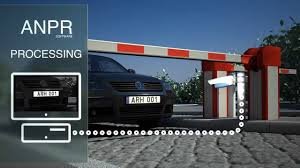
These features significantly reduce false alarms and improve operational intelligence.
3. Flexible & Scalable Architecture
IP systems are ideal for large or expanding projects. New cameras can be added easily to the network without major infrastructure changes.
4. Simplified Cabling with PoE
Power over Ethernet (PoE) allows data and power through a single cable, reducing installation complexity and improving reliability.
Advantages of Analog HD Camera Systems
1. Cost-Effective Deployment
Analog HD cameras are generally cheaper per unit, making them suitable for budget-sensitive projects.
2. Ideal for System Upgrades
If an existing coaxial infrastructure is already in place, Analog HD cameras allow easy upgrades to HD quality without rewiring.
3. Simple Installation & Configuration
Analog systems are straightforward and require minimal networking knowledge, making them attractive for small installations.
4. Low Latency Video
Direct transmission over coaxial cable ensures minimal delay, useful for real-time monitoring.
Which Should You Choose?
Choose IP Cameras If:
- You need advanced analytics and AI features
- High-resolution video is critical
- The project involves large sites or future expansion
- Cybersecurity and system integration matter
- You are deploying a new surveillance system
Choose Analog HD Cameras If:
- You are upgrading an existing analog system
- Budget is the primary concern
- The site is small to medium in size
- AI and advanced analytics are not required
Hybrid Systems: The Best of Both Worlds
Many modern XVRs support both IP and Analog HD cameras, allowing gradual migration from analog to IP without replacing the entire system at once. This is a practical option for businesses planning phased upgrades.
Final Verdict
There is no one-size-fits-all answer.
- IP cameras are best for modern, intelligent, and scalable security projects.
- Analog HD cameras remain a reliable and cost-effective choice for simpler surveillance needs.
The right decision depends on your budget, site size, technical requirements, and long-term security goals.
Need Help Choosing the Right CCTV Solution?
A professional site assessment ensures optimal camera selection, placement, and system performance. Selecting the correct technology today saves significant costs and limitations tomorrow.
You can reach out to us for a professional site survey for accurate findings.
