
Uncategorized
Networking Mistakes Kenyan Businesses Make

Aug
Introduction
The fast-changing digital economy today in Kenya comes with a lot of benefits for the growth of businesses and a lot of opportunities. Therefore, having a reliable business network is no longer optional, it’s the backbone of any successful company in Kenya. From SMEs in Nairobi to manufacturing firms in Mombasa, organizations depend on networks for communication, online transactions, and day-to-day operations.
Yet, many Kenyan businesses still make costly networking mistakes that lead to downtime, security breaches, and lost revenue. You may wonder what are those avoidable mistakes that you may be making in your business. Let us analyze the top 5 networking mistakes one by one and also the practical tips on how to fix them:
Using Consumer-Grade Networking Equipment
Many businesses rely on cheap home-use routers and switches because t they may seem budget-friendly but they cannot handle the workload or provide the advanced features required for business operations.
The Risk: Frequent downtime, poor performance, and higher vulnerability to cyber threats.
The Solution:
- Invest in business-grade networking equipment from reliable brands like Cisco, Ubiquiti, or Mikrotik.
- Match your network hardware with your company’s growth plans.
- Work with a certified IT professional to design a scalable network.
Ignoring Cybersecurity Best Practices
Some SMEs assume cybercriminals only target large corporations, but Kenya has seen a sharp rise in cyberattacks on small businesses. Without proper firewalls, secure access controls, and employee training, your business is exposed which is a vey risky affair both for the business and customers. Having a secure data management system a plus.
The Risk: Data breaches, financial losses, and reputational damage.
The Solution:
- Deploy firewalls and endpoint protection software.
- Use VPNs for remote access.
- Train staff on cybersecurity awareness.
- Consider outsourcing to a Managed Security Service Provider (MSSP).
Poor Network Design and Cabling
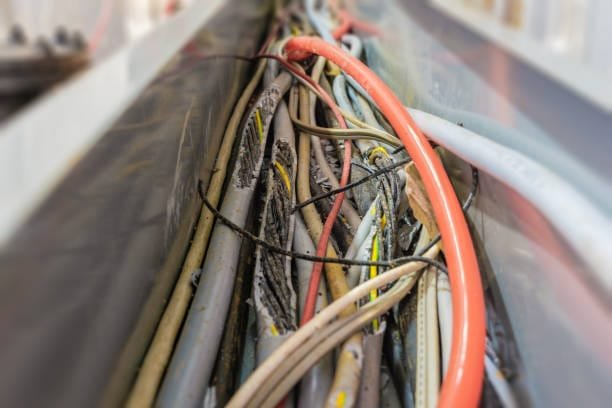
Ad-hoc cabling and unplanned network expansions lead to messy wiring, signal interference, and bottlenecks.
The Risk: Slow internet speeds, frequent network failures, and difficult troubleshooting.
The Solution:
- Invest in structured cabling solutions.
- Document your network topology.
- Regularly audit your system to remove bottlenecks.
Relying on a Single Internet Provider
Internet outages are common in Kenya. Many businesses rely on one ISP, which means when the connection fails, the whole operation stops.
The Risk: Missed deadlines, lost online sales, and unhappy customers.
The Solution:
- Use dual ISPs (e.g., fiber plus 4G backup).
- Set up an automatic failover router.
- Store critical files in the cloud for remote access.
Neglecting Regular Network Maintenance
After installation, some businesses never update or maintain their networks. This leads to poor performance and unpatched security loopholes.
The Risk: Higher downtime, outdated systems, and reduced efficiency.
The Solution:
- Schedule routine maintenance checks.
- Keep firmware and software updated.
- Use monitoring tools like PRTG, Zabbix, or Nagios.
- Document your setup for easy upgrades.
Final Thoughts
A strong and secure network is not just an IT necessity — it’s a competitive advantage for Kenyan businesses. By avoiding these five networking mistakes, companies can increase productivity, protect sensitive data, and ensure smooth daily operations.
👉 Need expert networking solutions in Kenya? Contact us today for a free consultation and discover how we can help you build a fast, reliable, and secure network for your business.
