
Uncategorized
Dive into the world of TP-Link Routers – Comprehensive Guide

Introduction to TP-Link Routers
In today’s digital era, where connectivity is paramount, the role of routers in facilitating seamless internet access cannot be overstated. TP-Link, a global provider of networking devices, has emerged as a leading player in this domain. This report aims to provide a comprehensive analysis of TP-Link routers, their historical background, technical specifications, performance, security features, and future prospects.
Historical Background of TP-Link
Founded in 1996 by two brothers, Zhao Jianjun and Zhao Jiaxing, TP-Link initially focused on manufacturing network cards. Over the years, the company expanded its product line to include routers, switches, modems, and other networking equipment. With a commitment to innovation and affordability, TP-Link quickly gained recognition and established a strong presence in the global market. Today, it stands as one of the largest providers of networking solutions, serving millions of customers worldwide.
Overview of TP-Link Routers
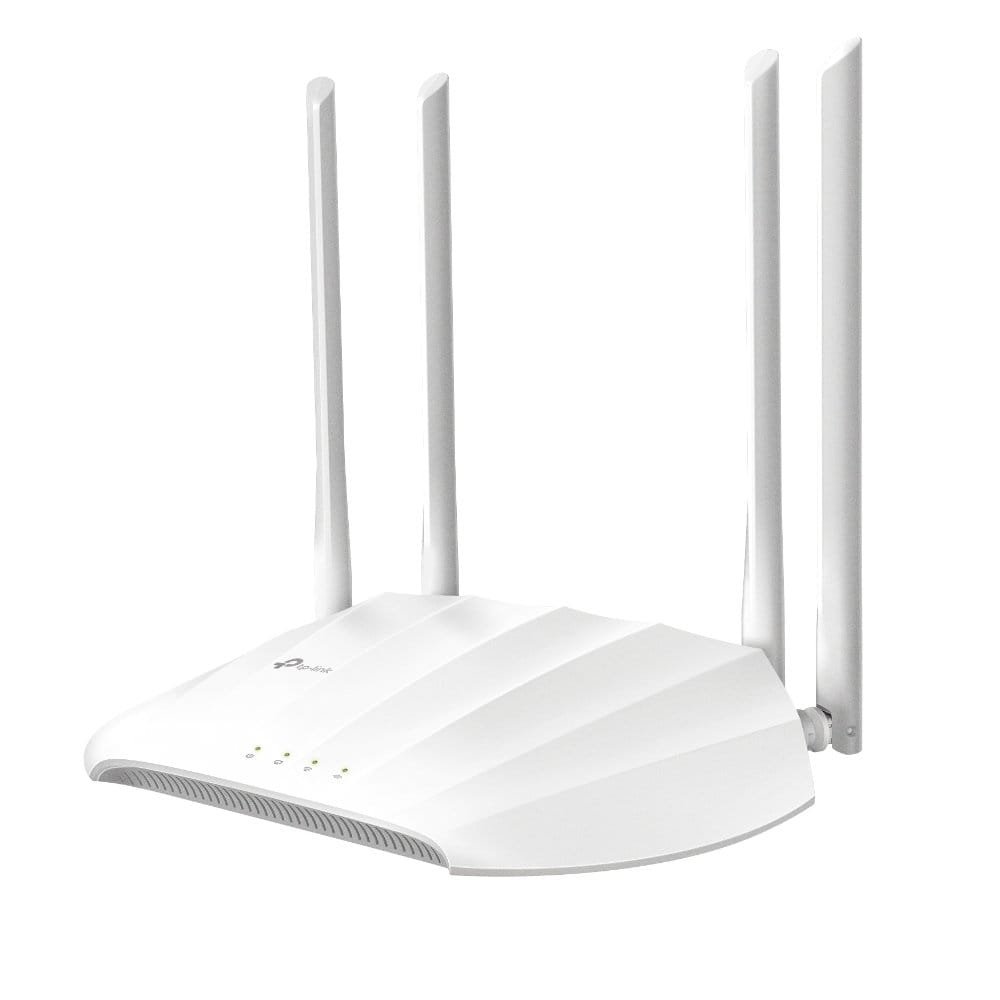
TP-Link offers a diverse range of routers tailored to meet the needs of various consumers, including home users, businesses, and ISPs. These routers are designed to deliver high-speed connectivity, reliability, and ease of use. Whether it’s for basic internet browsing, online gaming, streaming media, or enterprise-level networking: TP-Link has a router to suit every requirement.
Technical Specifications and Features
TP-Link routers boast impressive technical specifications and features that set them apart from the competition. These include:
Wireless Standards
Most TP-Link routers support the latest wireless standards such as 802.11ac and 802.11ax (Wi-Fi 6), ensuring faster speeds and better coverage.
Dual-Band Connectivity
Many models offer dual-band connectivity (2.4GHz and 5GHz), allowing users to connect multiple devices simultaneously without sacrificing performance.
Gigabit Ethernet Ports
TP-Link routers come equipped with Gigabit Ethernet ports for high-speed wired connections, ideal for gaming consoles, smart TVs, and desktop computers.
Beamforming Technology
This advanced feature helps to improve Wi-Fi coverage and stability by focusing the wireless signal towards connected devices.
Separate Guest Network
TP-Link routers often include a guest network feature, enabling users to create separate Wi-Fi networks for guests while keeping their primary network secure.
Parental Controls
With built-in parental control settings, TP-Link routers empower users to manage and monitor their children’s internet usage, ensuring a safe online experience.
Quality of Service (QoS)
QoS functionality prioritizes bandwidth allocation based on application requirements, ensuring smooth performance for activities like gaming and video streaming
Performance Evaluation
In terms of performance, TP-Link routers have garnered positive reviews from both consumers and industry experts. Their robust hardware, coupled with advanced firmware optimizations, delivers stable and reliable connectivity across a wide range of environments. Whether it’s for basic web browsing or demanding tasks like 4K video streaming and online gaming, TP-Link routers consistently demonstrate exceptional performance and throughput.
Security Measures
Security is a top priority for TP-Link, and its routers come equipped with a variety of security features to safeguard users’ networks from potential threats. These include
WPA/WPA2 Encryption
TP-Link routers support the latest Wi-Fi security standards, ensuring that data transmitted over the network remains encrypted and protected from eavesdropping.
Firewall Protection
Built-in firewalls help to prevent unauthorized access to the network and block malicious traffic from entering the system
VPN Support
Many TP-Link routers offer VPN (Virtual Private Network) support, allowing users to establish secure connections to their home or office networks from remote locations.
Automatic Firmware Updates
TP-Link regularly releases firmware updates to address security vulnerabilities and enhance the overall stability and performance of its routers
User Interface and Accessibility
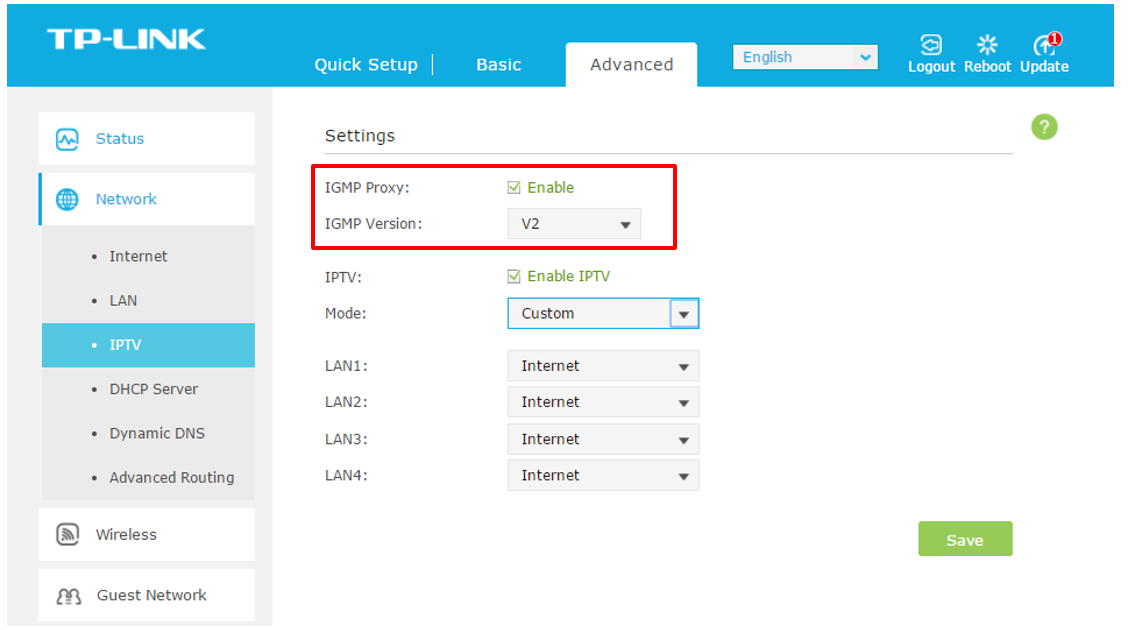
TP-Link routers feature intuitive web-based interfaces that make it easy for users to configure and manage their networks. Whether it’s setting up Wi-Fi passwords, creating guest networks, or configuring advanced settings, the user-friendly interface simplifies the process and reduces the learning curve for novice users. Additionally, TP-Link offers dedicated mobile apps that provide remote access to router settings, allowing users to manage their networks from anywhere with an internet connection.
Customer Support and Warranty
TP-Link is committed to providing excellent customer support, offering various channels for assistance, including phone support, email support, live chat, and an extensive online knowledge base. Additionally, TP-Link routers typically come with a standard warranty ranging from one to three years, depending on the model, providing peace of mind to consumers in the event of hardware failures or defects.
Market Position and Competitors
In the highly competitive networking industry, TP-Link has established itself as a key player, thanks to its extensive product lineup, competitive pricing, and strong brand reputation. However, the company faces stiff competition from other major players such as Cisco, Netgear, Asus, and D-Link, which also offer a wide range of routers catering to different market segments. To maintain its market position, TP-Link continues to innovate and adapt to evolving consumer demands, focusing on factors such as performance, reliability, and affordability.
Future Prospects
Looking ahead, TP-Link is well-positioned to capitalize on the growing demand for high-speed internet connectivity and networking solutions. With the proliferation of IoT (Internet of Things) devices and the advent of technologies like 5G and Wi-Fi 6, the need for reliable and efficient routers will only continue to increase. By staying abreast of technological advancements and listening to customer feedback, TP-Link can further enhance its products and maintain its leadership in the networking industry.
Conclusion
In conclusion, TP-Link routers represent a compelling choice for consumers and businesses seeking robust, feature-rich networking solutions. With their impressive performance, advanced security features, user-friendly interfaces, and excellent customer support, TP-Link routers deliver on their promise of providing fast, reliable, and secure internet connectivity in today’s digital age.
