
FIBER
Unveiling the Wonders of Fiber Patch Cords

Jan
Introduction
In the ever-evolving landscape of modern networking, Fiber Patch Cords play a vital role in ensuring high-speed, reliable data transmission. This report delves into the significance, types, features, and considerations for choosing the right Fiber Patch Cord to optimize fiber optic networks.
Understanding Fiber Patch Cords
Fiber Patch Cords, also known as fiber optic patch cables, serve as crucial connectors in fiber optic communication systems. They facilitate seamless connectivity and optimal performance in transmitting data signals between network devices.
Types of Fiber Patch Cords
Fiber Patch Cords come in various types tailored to specific networking requirements. Understanding these types is crucial for selecting the most suitable Fiber Patch Cord for different scenarios. Here are some common types:
Single-Mode Fiber Patch Cords (SMF):
Overview: Designed for long-distance transmissions, SMF Patch Cords use a single optical mode for high bandwidth and low signal attenuation.
Advantages: Ideal for large-scale data transmissions over significant distances.

Multi-Mode Fiber Patch Cords (MMF):
Overview: MMF Patch Cords utilize multiple optical modes for short to medium-distance transmissions, offering a cost-effective solution.
Advantages: Suited for applications within buildings or campuses with shorter connection needs.
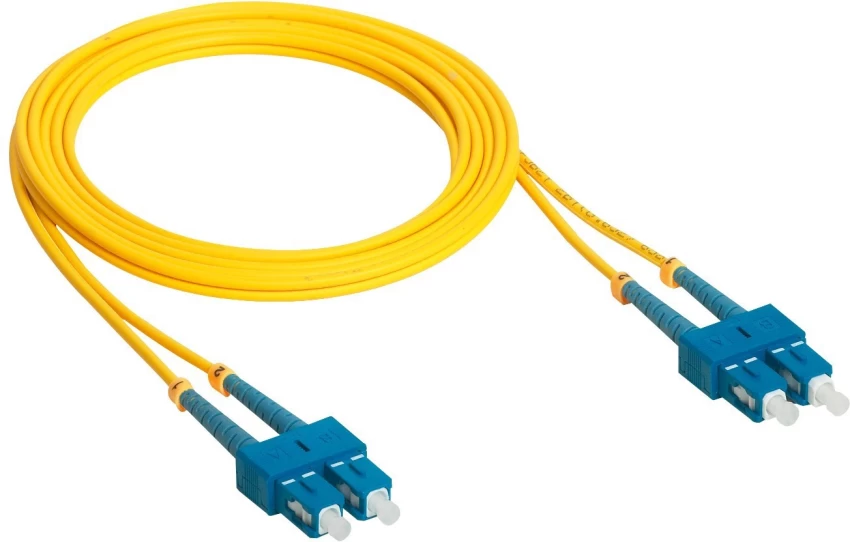
Simplex and Duplex Fiber Patch Cords:
Overview: Simplex cords have one fiber, while duplex cords feature two fibers for bidirectional communication.
Advantages: Duplex cords are common in most applications, providing efficient two-way communication.
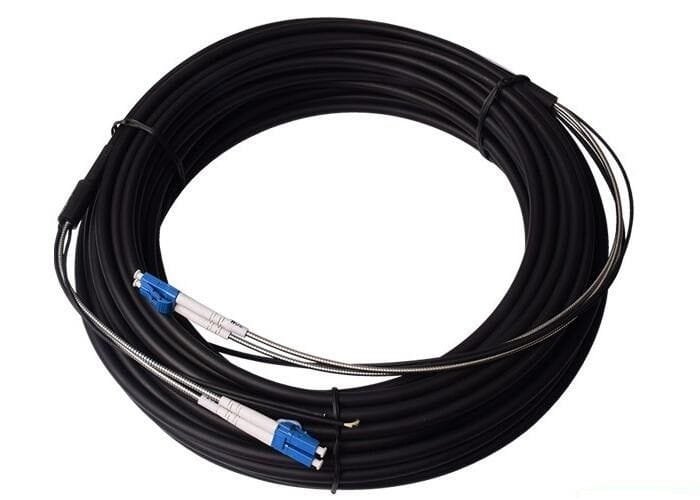
Armored Fiber Patch Cords:
Overview: Armored cords feature added protection with a metal sheath, ensuring durability in harsh environments.
Advantages: Resistant to external factors such as crushing, bending, and rodent damage, ideal for industrial settings.
Bend-Insensitive Fiber Patch Cords:
Overview: Designed to withstand tight bends without signal loss, making them suitable for installations with limited space.
Advantages: Ensures reliable performance in tight routing conditions.
Features and Specifications of Fiber Patch Cords
Fiber Patch Cords boast features and specifications that contribute to their effectiveness in modern networking. Understanding these attributes is crucial for informed decision-making when selecting Fiber Patch Cords. Here are key features:
Low Signal Loss:
Fiber Patch Cords minimize signal loss, ensuring efficient data transmission over varying distances.
High Bandwidth:
With high bandwidth capabilities, Fiber Patch Cords support the transmission of large volumes of data at high speeds.
Corrosion Resistance:
Many Fiber Patch Cords resist corrosion, making them suitable for diverse environments and conditions.
Low Insertion Loss:
Low insertion loss ensures that the signal strength is not significantly reduced during transmission.
Compatibility:
Fiber Patch Cords are compatible with various connector types, offering flexibility in network design.
Connector Types:
Fiber Patch Cords come with various connector options, including SC, LC, ST, and MTP/MPO, providing flexibility in network design.
Choosing the Right Fiber Patch Cord
Selecting the right Fiber Patch Cord is crucial for optimizing network performance and reliability. Here’s a guide to aid in the decision-making process:
Transmission Distance:
Consider the required transmission distance and choose between Single-Mode and Multi-Mode Fiber Patch Cords accordingly.
Application:
Evaluate specific application needs, such as data center connections, enterprise networks, or industrial environments, to determine the appropriate type of Fiber Patch Cord.
Environment:
Assess environmental conditions, including factors like temperature, humidity, and exposure to external elements, to choose a Fiber Patch Cord with suitable protective features.
Connector Compatibility:
Ensure compatibility with existing network infrastructure by selecting Fiber Patch Cords with connectors that match the equipment in use.
Budget Constraints:
Evaluate budget constraints and choose Fiber Patch Cords that offer the right balance of performance and cost-effectiveness for the given application.
Future-Proofing:
Consider future network expansion and technology advancements, opting for Fiber Patch Cords that support scalability and emerging standards.
Conclusion
Fiber Patch Cords are indispensable in modern fiber optic communication, enabling high-speed and reliable data transmission. This report provides a comprehensive overview of the types, features, and considerations involved in harnessing the capabilities of Fiber Patch Cords for efficient and robust networking.
